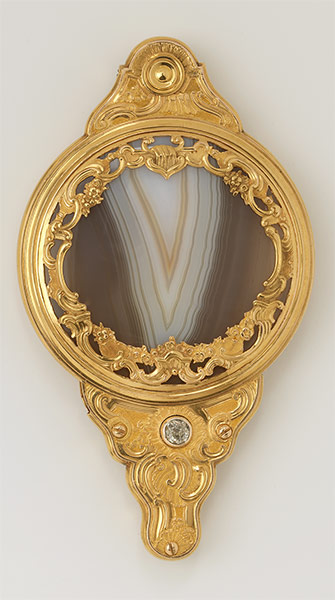
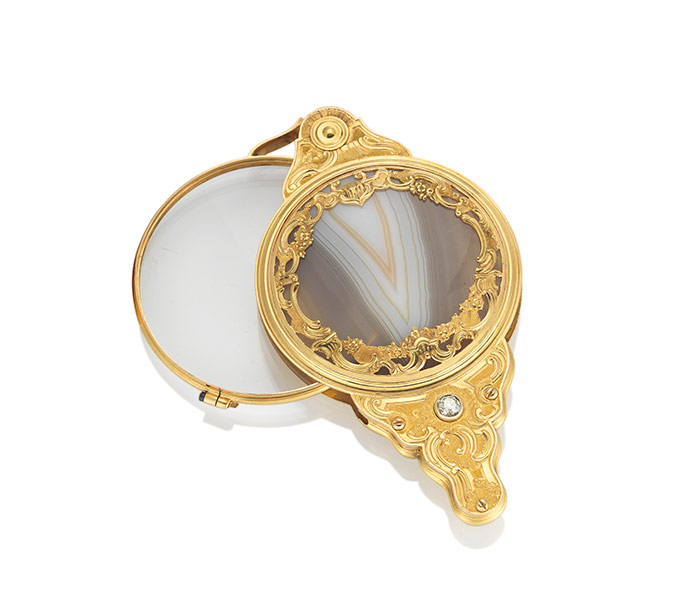
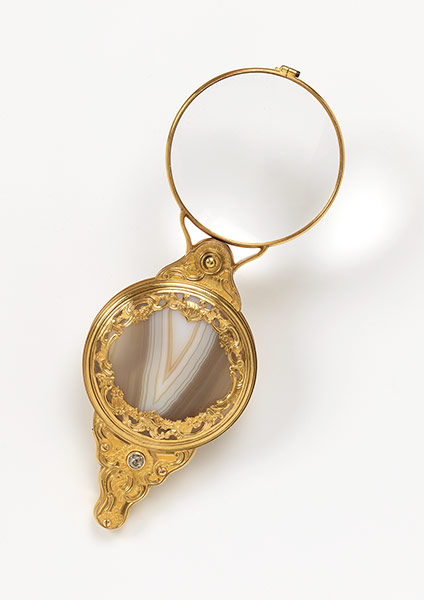
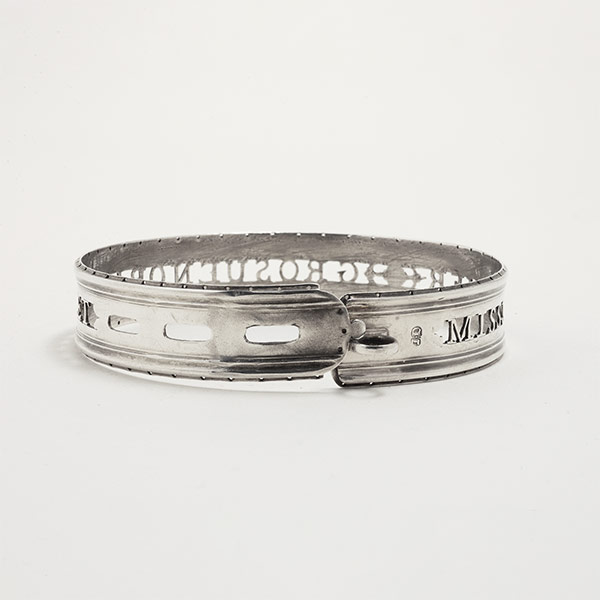
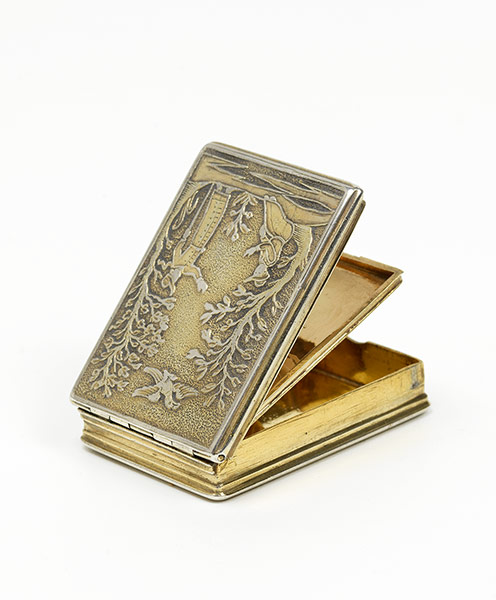
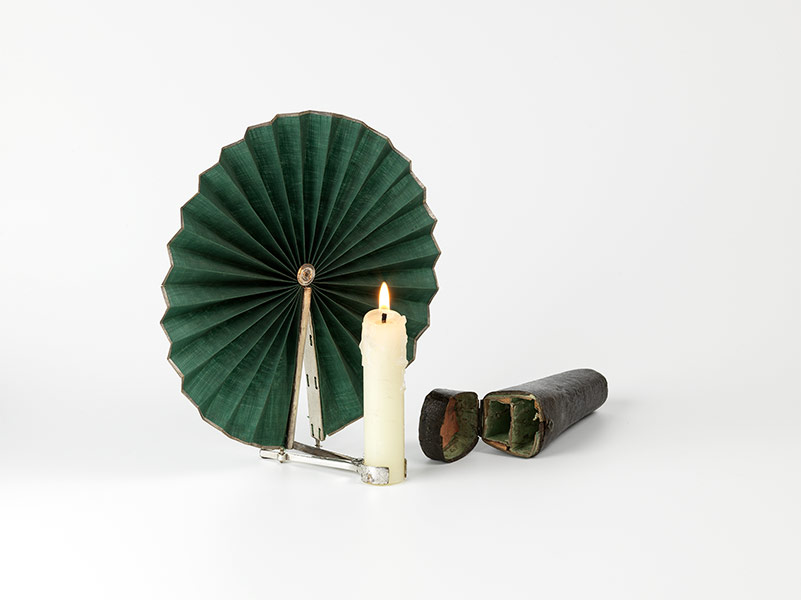
Many books have been written about artists, manufacturers and craftsmen from the 'middling classes' in the eighteenth century, but rarely, if ever, has sufficient information been found about shopkeepers to write one, let alone two, books about one family. The increasingly popular subjects of retailing and luxury chattels are explored here through a family who were located in London, Wales, America, and at English resorts. The Deards and their in-laws (Chenevix and Bertrand) had fashionable shops - possibly the most fashionable luxury shops in England - through three generations between 1685 and 1785. They sold trinkets that were known as toys.
The books are parts 1 & 2 of the same project; they are written and designed for the reader to dip into. Whether you know nothing of the subject, or are a specialist, you can enjoy a vast array of objects, discover the family's customers and associates and where and how they lived, supported with maps and family trees. It isn't even necessary to read the main text (though you may miss much if you don't) - you can enjoy the images and 'abstract' pages containing quotations and miscellaneous information.
The work is based on new research in archives. The detail that underpinned the business of shopkeeping is here for those who wish to delve deep, and there are many leads for future research. These are not 'coffee table' books, but they are heavily illustrated. The Deards' lives surprisingly take the reader to many different aspects of their period: to gossip and dress, to travel and time-keeping, to crime, gambling and banking, and to life lived on many levels by aristocrats, merchants and artificers.
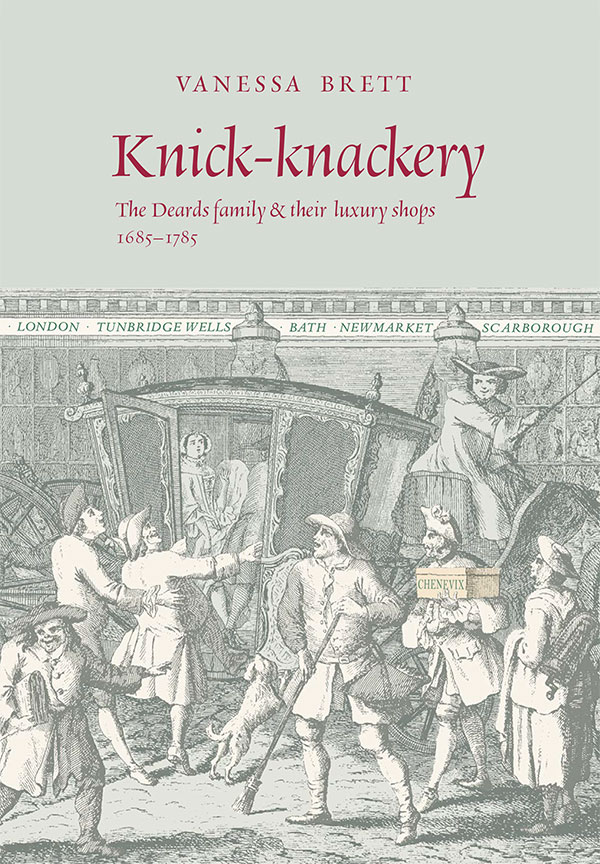
John Deards' two daughters married Huguenots: Mary married Paul Bertrand and Elizabeth married Daniel Chenevix. They had their own shops, while Deards' son and grandson continued the initial business. The book tells the story of this family and gives some of the background to running a business in the eighteenth century. In London, in Westminster, Bath, Tunbridge Wells, Newmarket, Scarborough and Epsom, the family traded where their customers worked and socialised in the capital, relaxed at resorts and horse-racing, and attended parliament. William Deards worked in America for Charles Carroll, signatory of the Declaration of Independence, and the family had earlier links to America. Globally-sourced materials included porcelain from Asia and from Dresden.
The family's aristocratic customers are revealed through letters, invoices and bank accounts, sources that also reveal some of their suppliers and their stock. The wealth of information that has survived, researched here for the first time, provides a new approach for those interested in eighteenth-century decorative arts and social history.
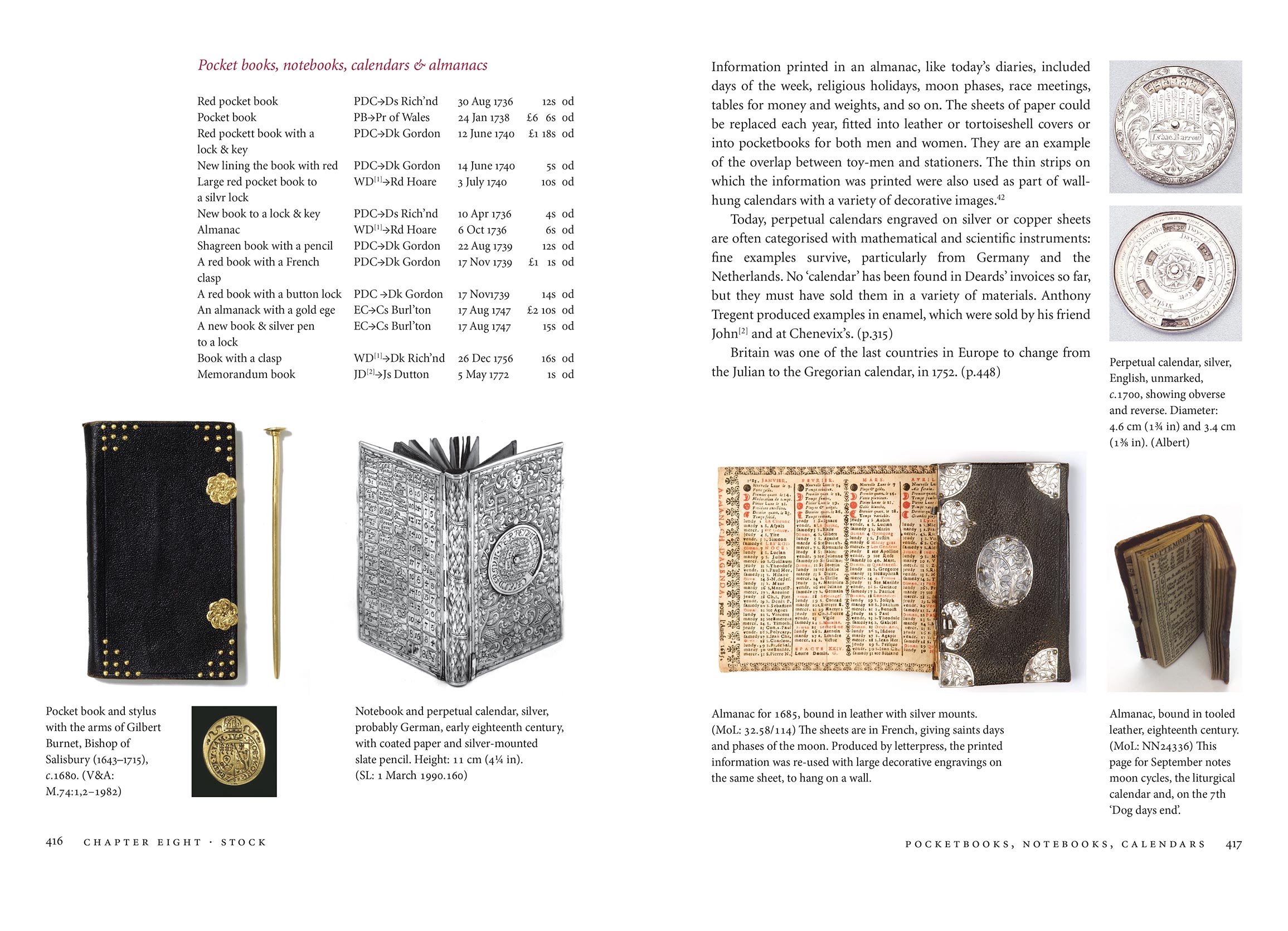
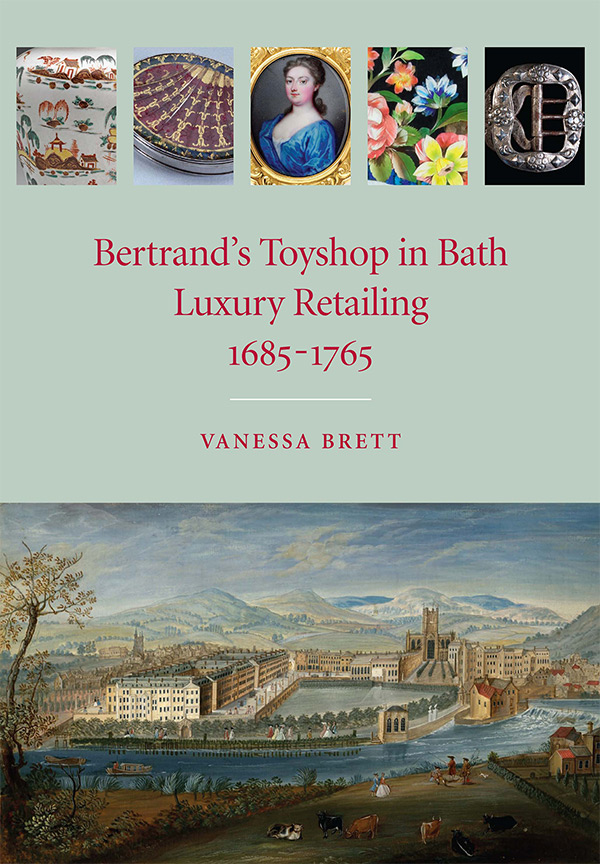
The book focusses on Bath in the first half of the eighteenth century and tells the story of the city at that time through its most fashionable shop, in Terrace Walk.
John Deards had a seasonal shop in Bath by at least 1700 which was then taken on and expanded by his eldest daughter Mary and her Huguenot husband, Paul Bertrand. The discovery of Bertrand's bank account has transformed our understanding of life in the resort during his time. Customers included royalty, the aristocracy, local gentry, and those who visited Bath for their health or as a change from rural life or politics.
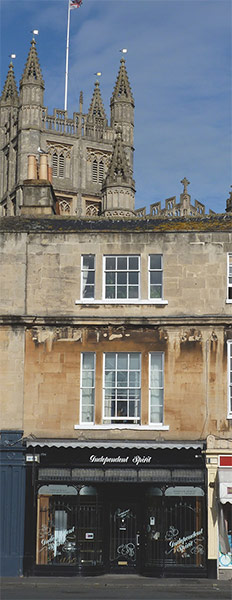
This was the era, many decades before Jane Austen's time, when Richard 'beau' Nash was Bath's Master of Ceremonies. The Circus and Royal Crescent, designed by John Wood, were not yet built; the Roman baths had not been re-discovered. The two assembly rooms (both long-since demolished) were within yards of the Bertrands' shop in Terrace Walk, at the heart of the 'old' town.
Site of the Bertrands' shop in Terrace Walk, Bath
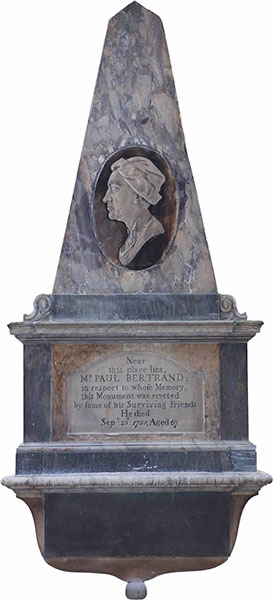
Monument to Paul Bertrand in St Swithin's Church, Bath